
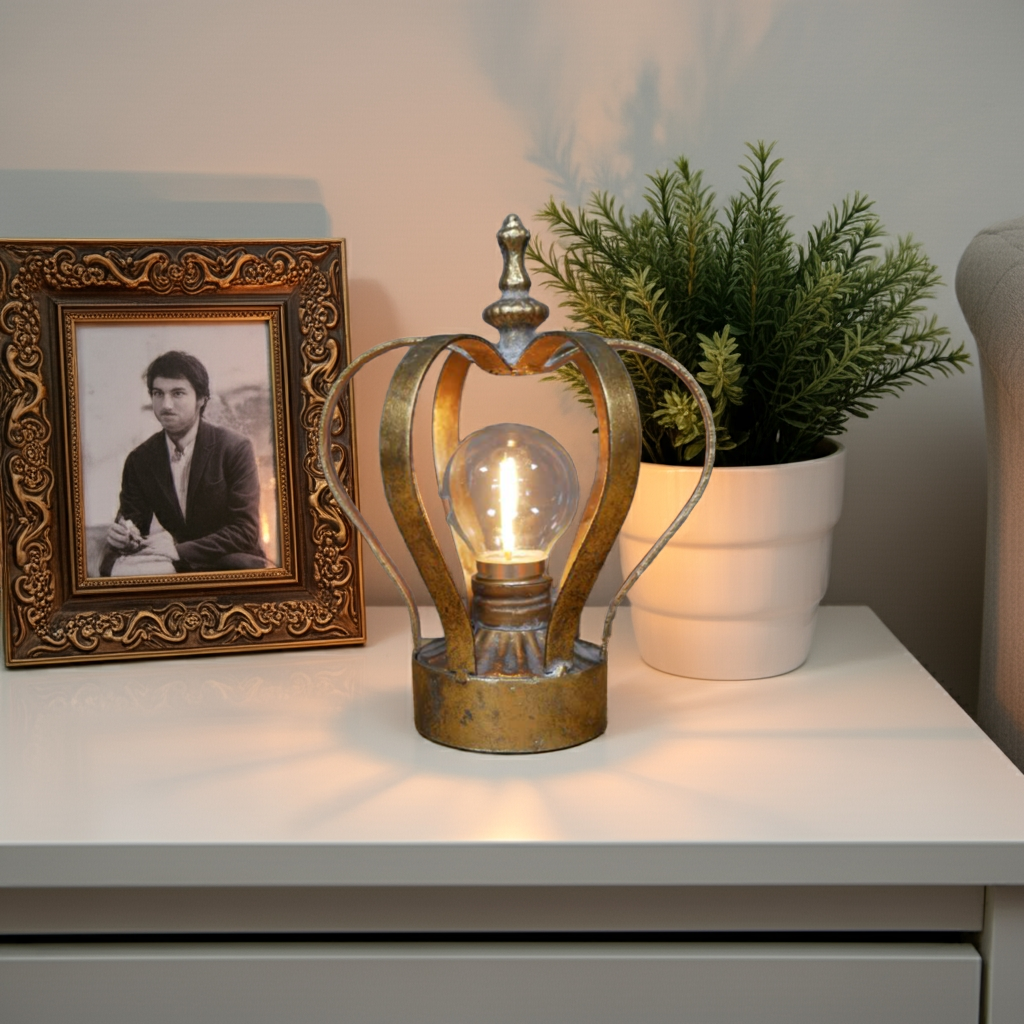
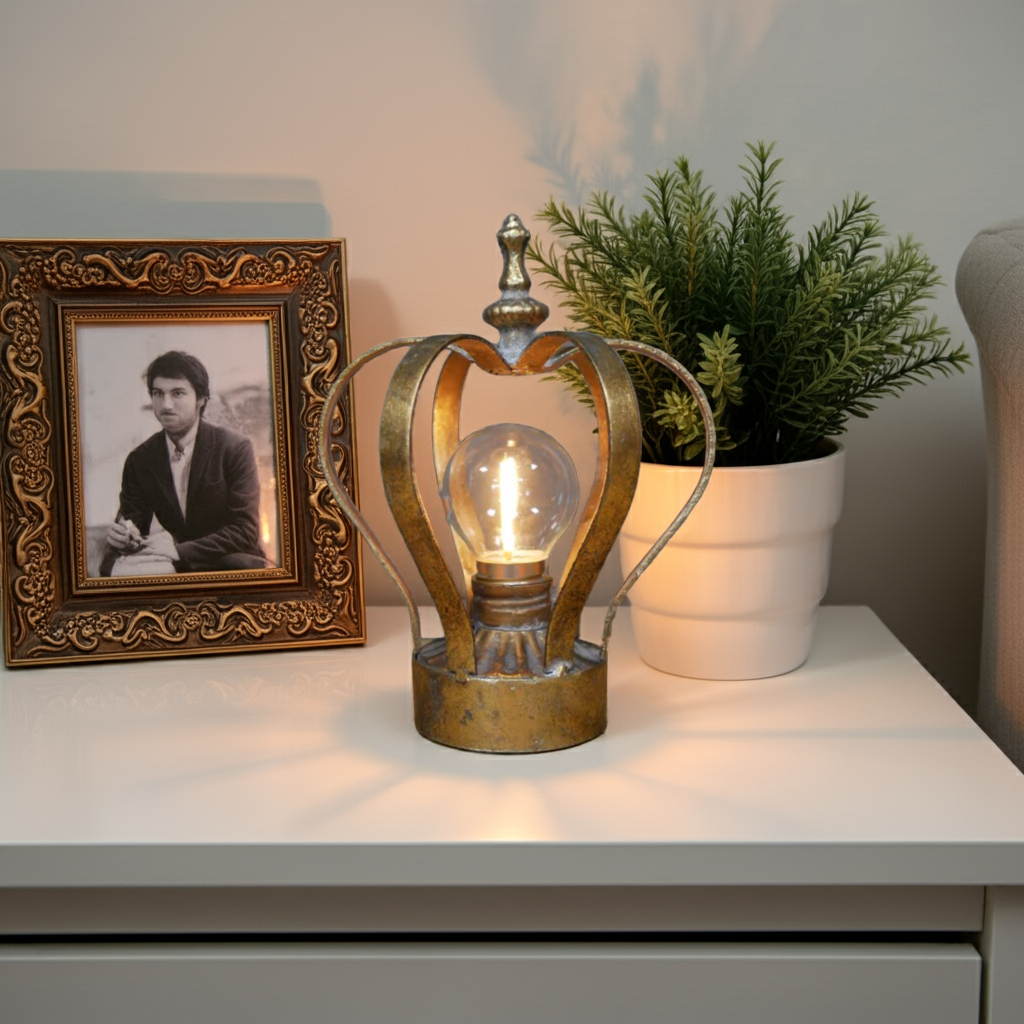
Choosing the perfect statement floor lamp involves balancing style, proportion, material, placement, and functionality. A well-selected lamp enhances interior design, reflects personality, and creates a warm, layered lighting atmosphere in any room.
A statement floor lamp is more than just a source of light—it is a defining piece of interior design that can transform the mood, style, and functionality of a room. In modern British homes, lighting has become a key element of décor rather than a simple necessity. Homeowners are increasingly choosing bold, artistic lighting fixtures that reflect personality and elevate interiors effortlessly.
Selecting the perfect statement floor lamp, however, is not just about picking something visually appealing. It involves understanding proportions, lighting needs, room aesthetics, and long-term functionality. In this detailed guide, we explore everything you need to know to make the right choice for your home.
Understanding the Role of a Statement Floor Lamp
A statement floor lamp is designed to stand out. Unlike standard lighting, it acts as both a functional light source and a decorative focal point. Whether placed in a living room corner, beside a reading chair, or in an entryway, it draws attention and anchors the space visually.
Key Point: A statement floor lamp serves as both a functional lighting solution and a central design feature in a room.
The right lamp can soften harsh interiors, add warmth to minimalist spaces, or introduce a bold artistic edge to neutral décor.
Consider the Purpose of the Lighting
Before choosing a design, it is essential to understand why you need the lamp. Different purposes require different lighting styles:
- Ambient lighting: Creates overall room illumination
- Task lighting: Ideal for reading or working
- Accent lighting: Highlights décor or architectural features
A well-chosen floor lamp should align with your primary lighting needs while complementing your interior style.
Key Point: Identifying the lamp’s purpose ensures both functionality and aesthetic harmony.
Choosing the Right Style for Your Interior
Style plays a crucial role in selecting the perfect statement floor lamp. British interiors range from traditional and cosy to ultra-modern and minimalist, so your lighting should reflect your existing décor.
Popular styles include:
- Modern minimalist with clean lines
- Industrial with raw metal finishes
- Art decor with luxurious detailing
- Scandinavian with soft, natural tones
A statement lamp should enhance your space, not clash with it.
Key Point: The lamp style must complement your existing interior design theme.
Size and Proportion Matter
One of the most common mistakes homeowners make is choosing a lamp that is either too large or too small for the space. A statement floor lamp should be proportionate to the room and surrounding furniture.
For example:
- In large living rooms, taller and sculptural lamps work best
- In smaller spaces, slim and vertical designs are more suitable
- The lamp should balance visually with sofas, chairs, and tables
Key Point: Proper proportion ensures the lamp enhances rather than overwhelms the space.
Material and Finish Selection
The material of your floor lamp significantly influences its overall aesthetic. Popular materials in UK homes include metal, wood, glass, and fabric.
- Metal finishes: Ideal for modern and industrial interiors
- Wooden bases: Perfect for warm, rustic spaces
- Glass elements: Add elegance and lightness
- Fabric shades: Create soft, diffused lighting
The finish should also match or complement other décor elements in the room.
Key Point: Material choice impacts both durability and visual harmony.
Placement for Maximum Impact
Where you place your floor lamp is just as important as the design itself. Strategic placement can dramatically enhance a room’s atmosphere.
Ideal placements include:
- Next to sofas for cosy reading corners
- In empty corners to add visual interest
- Beside armchairs for task lighting
- Near artwork to highlight focal points
A well-placed lamp can completely redefine a space.
Key Point: Strategic placement enhances both lighting functionality and interior aesthetics.
Layering Light for Depth
Interior designers often recommend layering lighting to create depth and warmth in a room. A statement floor lamp should not be the only light source but part of a broader lighting scheme.
Combine:
- Ceiling lights for general illumination
- Table lamps for soft accents
- Floor lamps for statement impact
This layered approach ensures a balanced and inviting atmosphere.
Key Point: Layered lighting creates a more dynamic and comfortable living environment.
Matching Personality and Lifestyle
Your lighting should reflect your personality. A statement floor lamp is an opportunity to express individuality.
For example:
- Artistic personalities may prefer sculptural designs
- Minimalists might opt for sleek, simple silhouettes
- Bold decorators may choose dramatic or oversized pieces
Lighting is no longer just practical—it is deeply personal.
Key Point: The right lamp should reflect your personality and lifestyle choices.
Exploring Unique Design Inspirations
When looking for inspiration, consider unique and nature-inspired lighting concepts. A Palm Tree Floor Lamp can introduce a tropical, relaxed vibe into a living space, making it ideal for bright, airy interiors.
Similarly, elegant nature-inspired pieces like a Gold Leaf Table Lamp bring a touch of luxury and sophistication, blending metallic warmth with organic beauty. These designs are particularly popular in modern British homes seeking a balance between glamour and comfort.
For those who prefer decorative novelty lighting, Parrot Lamps offer a playful yet artistic touch, often becoming conversation pieces in eclectic interiors. On the other hand, industrial-style homes may benefit from a bold Caged Floor Lamp, which adds structure, texture, and a raw urban edge.
Key Point: Unique lighting designs can significantly enhance character and personality within a room.
Balancing Functionality with Aesthetics
While appearance is important, functionality should never be overlooked. A beautiful lamp that does not provide adequate lighting will not serve its purpose effectively.
Consider:
- Brightness levels
- Adjustable features
- Energy efficiency
- Shade direction
A good statement lamp should be practical enough for everyday use while still being visually striking.
Key Point: The perfect floor lamp balances aesthetic appeal with practical functionality.
Investing in Quality and Longevity
A statement floor lamp is often a long-term investment. Choosing high-quality materials and craftsmanship ensures durability and timeless appeal.
Well-made lamps not only last longer but also maintain their visual impact over time, making them a worthwhile addition to any home.
Key Point: Investing in quality ensures durability and long-term design value.
Creating Cohesive Interiors with Lighting
Lighting should never feel random within a space. It should integrate seamlessly with your overall interior design. Brands like Decor Vibes focus on creating cohesive lighting pieces that enhance modern British interiors without overpowering them.
By choosing a lamp that complements furniture, colour schemes, and textures, you create a more unified and aesthetically pleasing environment.
Key Point: Cohesive lighting design enhances overall interior harmony.
FAQs
What makes a floor lamp a statement piece?
A floor lamp becomes a statement piece when it features a bold design, unique structure, or eye-catching materials that draw attention in a room.
How tall should a statement floor lamp be?
Most statement floor lamps range between 5 to 6.5 feet, depending on ceiling height and surrounding furniture.
Where should I place a floor lamp in my living room?
Ideal placements include beside sofas, in corners, or near reading chairs to enhance both lighting and visual appeal.
Are statement floor lamps suitable for small rooms?
Yes, but it is best to choose slim, vertical designs that do not overwhelm the space while still adding style.
Can a floor lamp replace ceiling lighting?
A floor lamp can complement ceiling lighting but is usually not sufficient as the sole light source in a room.